1940–1956
“Nonchalance and dissent”
Breton on his father’s side and Norman on his mother’s, Alain Le Yaouanc was born in Alençon on 18 May 1940. In 1948 his family settled in Rouen, where the devastated city worked on the child as an unconscious summons, fertile ground for a dreaming mind.
He entered the Lycée Corneille in 1951 and was expelled in the autumn of 1956 for “nonchalance and dissent”. That was the year he began to draw regularly.
1956–1958
America
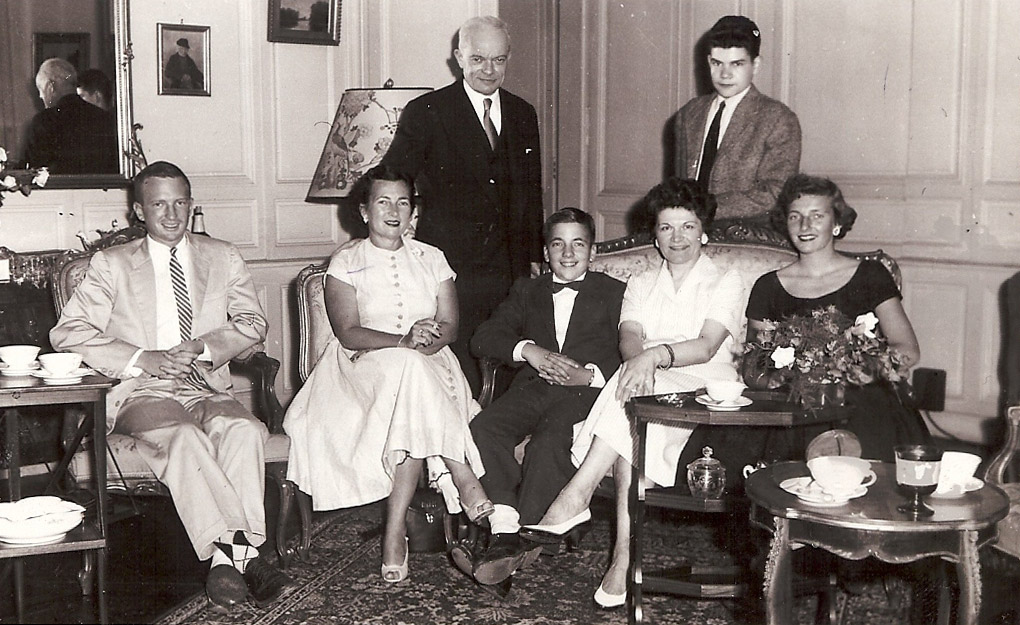
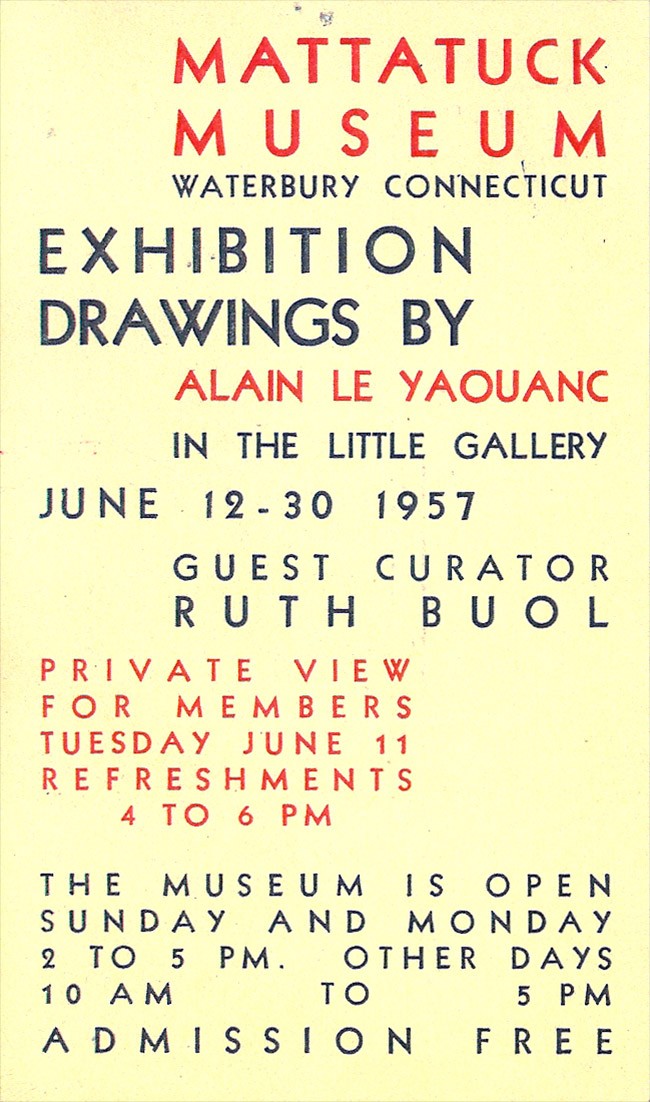
Leaving for the United States at sixteen, he was taken in by Ruth Buol, a friend of his parents who was close to Alexander Calder, whom he visited in his studio at Roxbury. A boarder at Harmon Hall school, he exhibited for the first time in May 1957 in New Britain, where the jury named his work “best one in show”, and then on his own, in June, at the Mattatuck Museum.
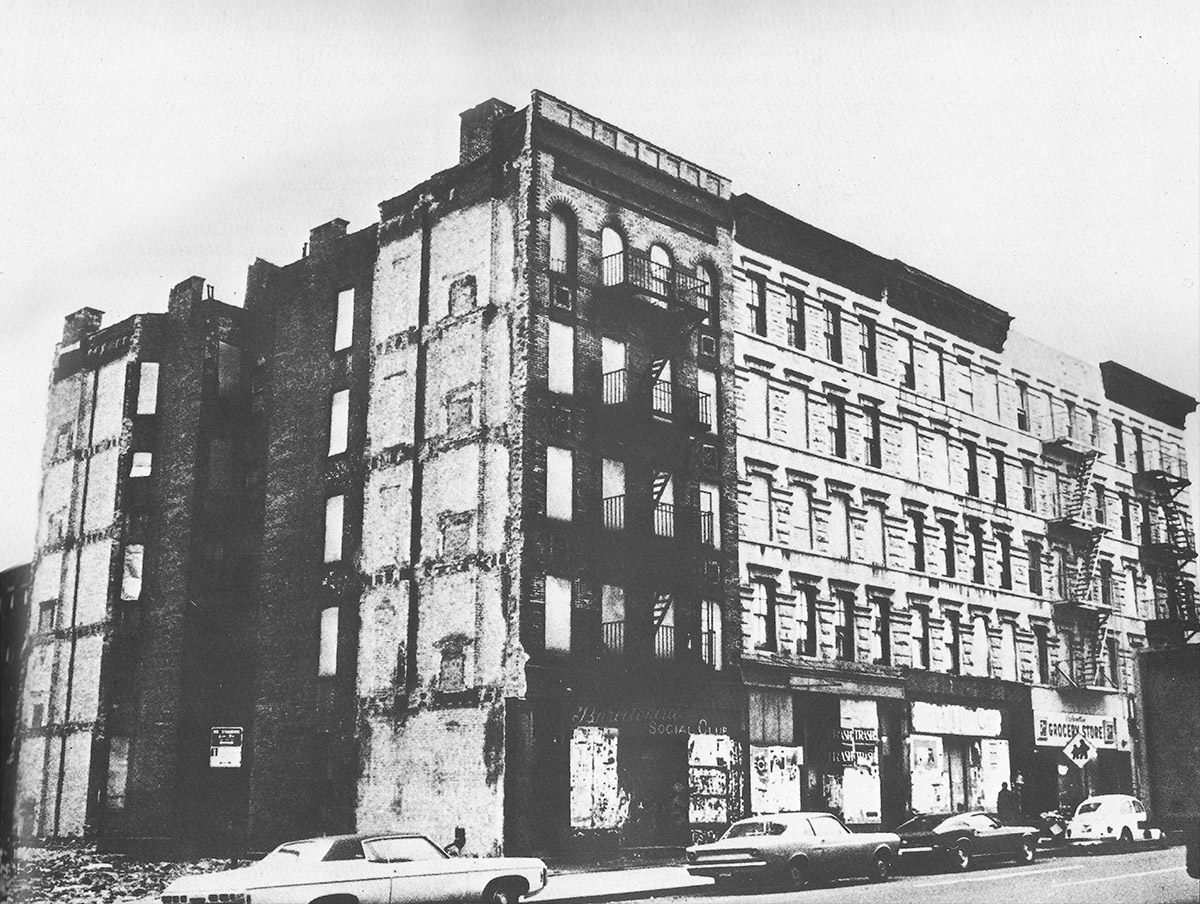
In 1958 he enrolled at the Art Students League of New York, set up his studio on Amsterdam Avenue, sketched street scenes from life and mixed with the beatniks of the Figaro Cafe.
1960–1964
Algeria, then Rouen
Called up in 1960, he served first as an interpreter at SHAPE and was then sent to Aflou, in the south of the Oran region. Seconded from his unit, he became an army schoolteacher, teaching French to the children of a small country school; he in turn learned Arabic and frequented the Moorish cafés.
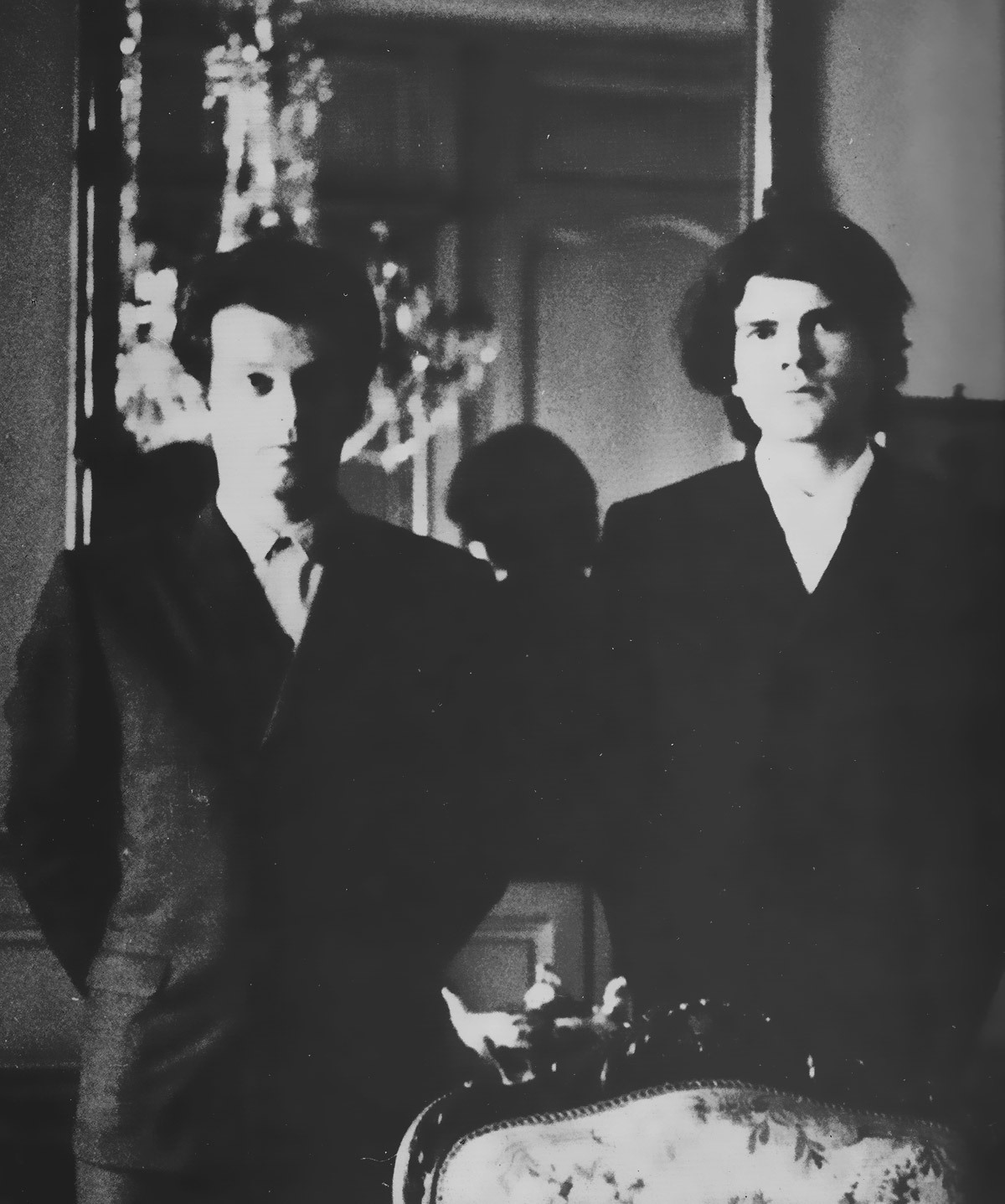
Demobilised after twenty-six months, he returned to Normandy. His taste for odd and ill-assorted objects, which he had collected since childhood, led him to open an antiques shop on Rue de la Poterne, in old Rouen.
1965–1966
The large gouaches
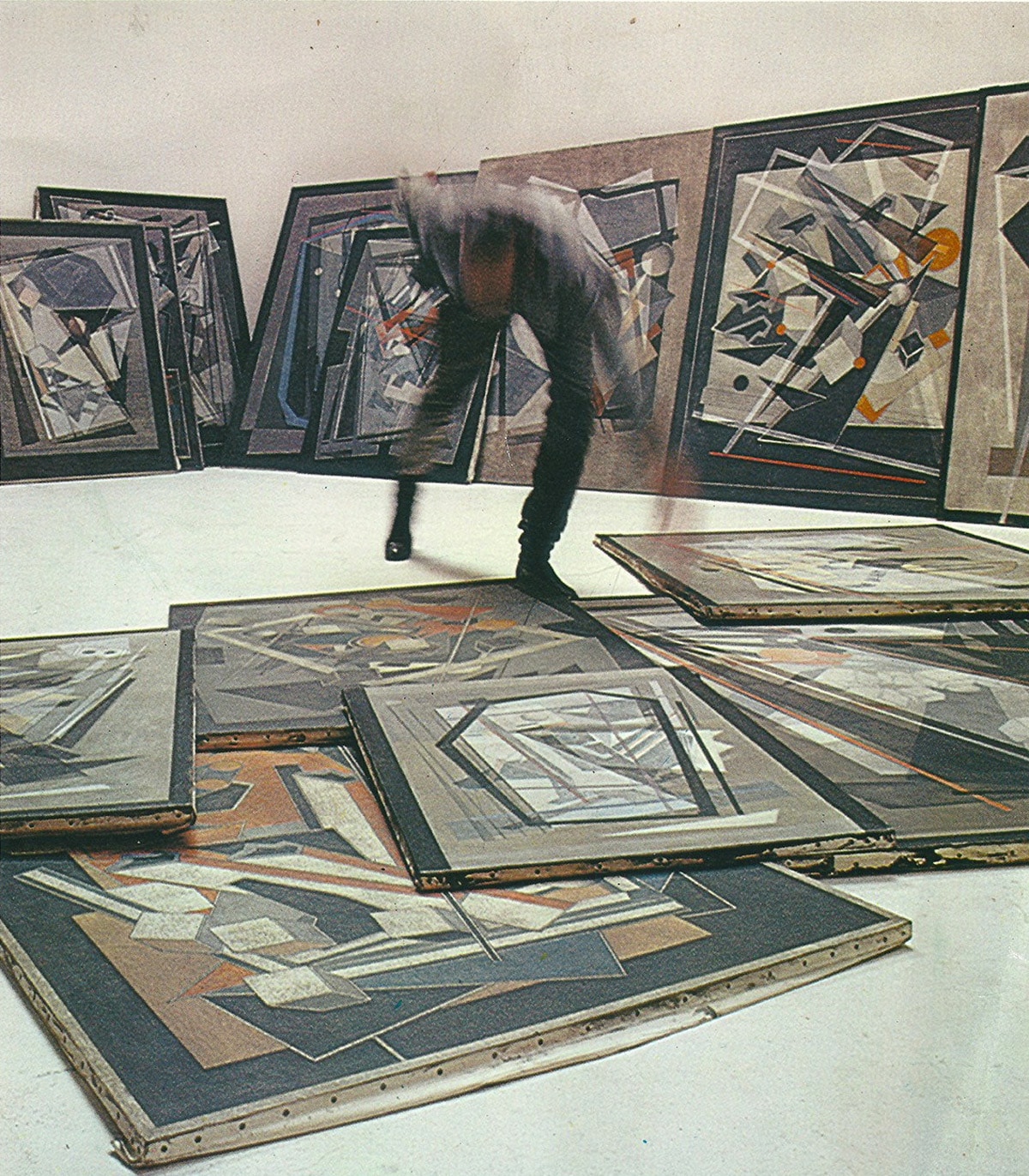
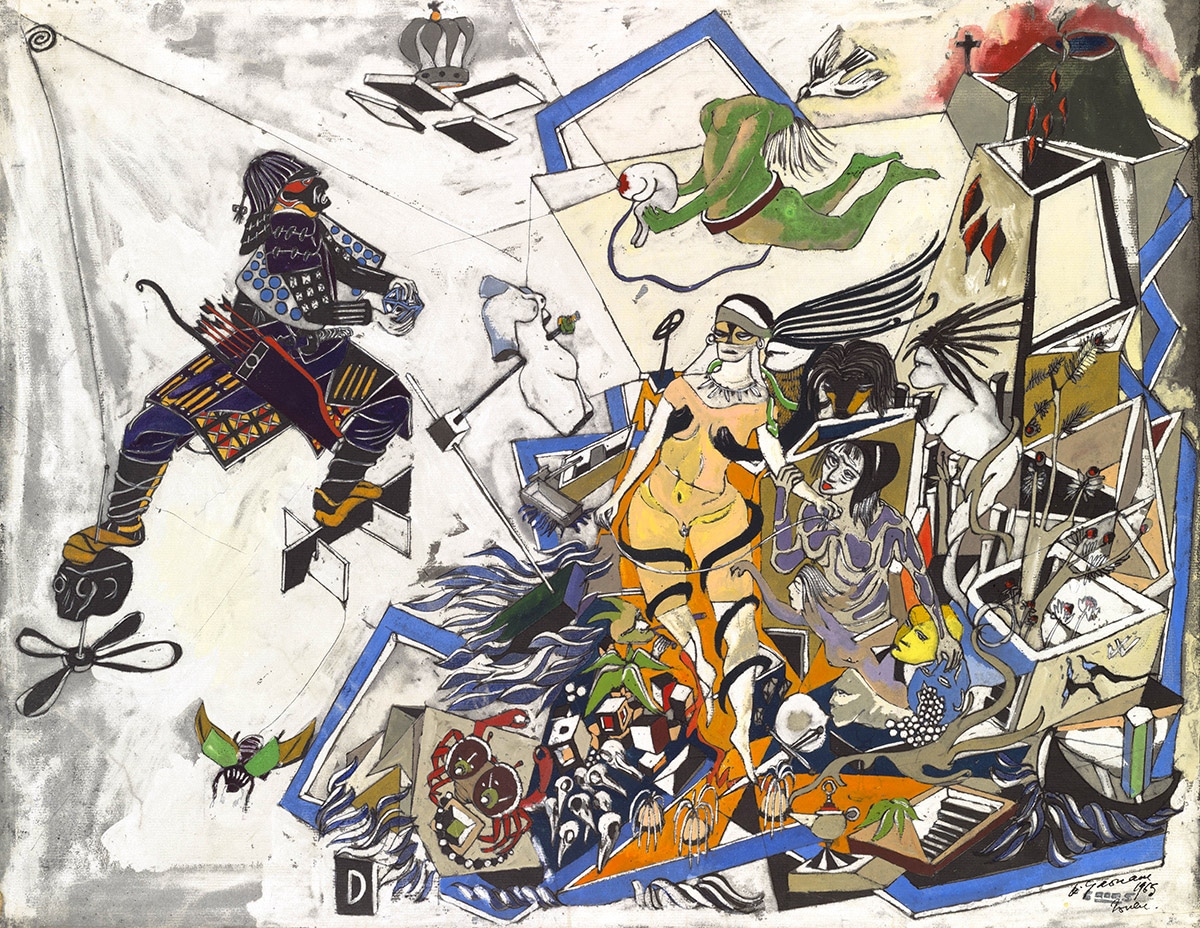
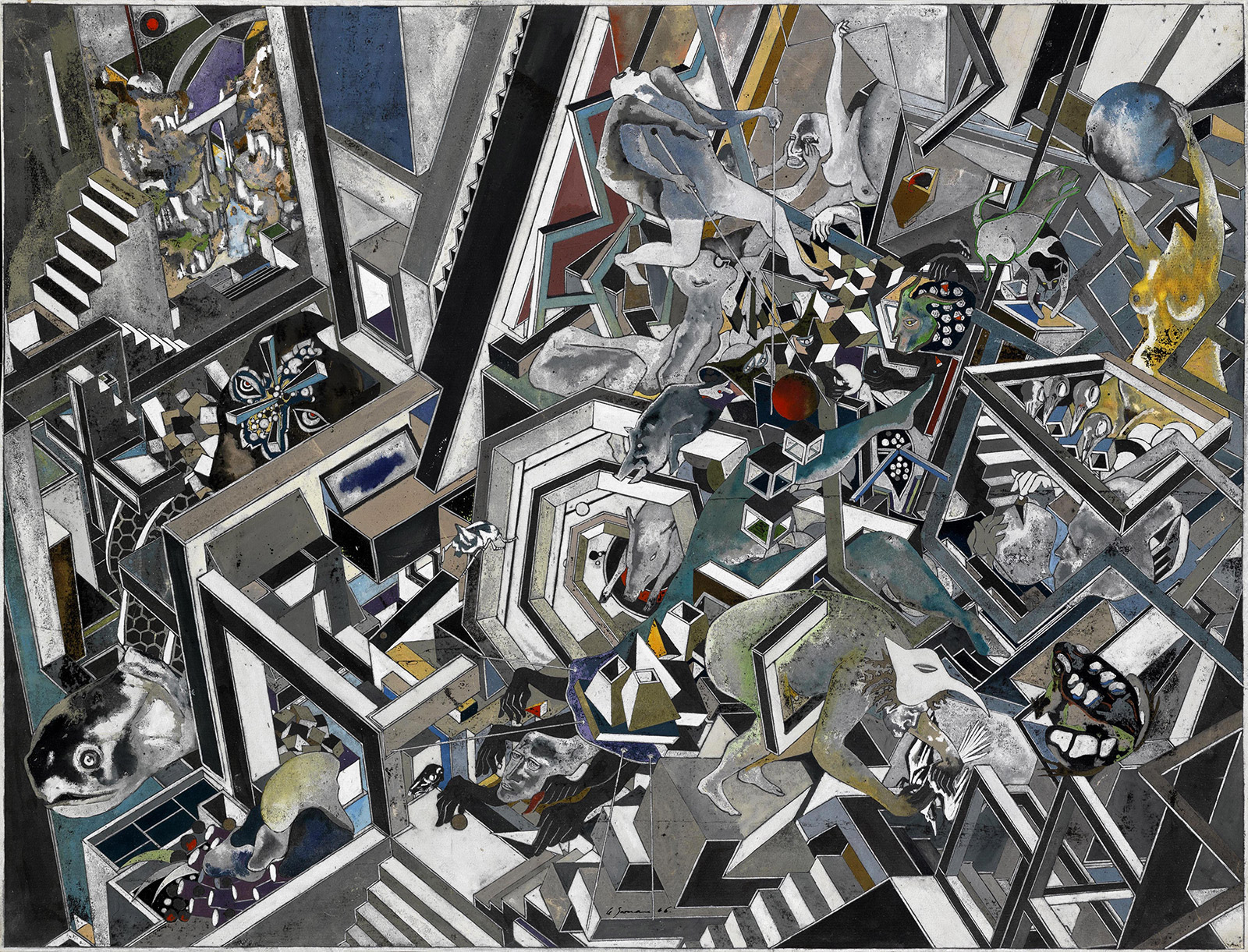
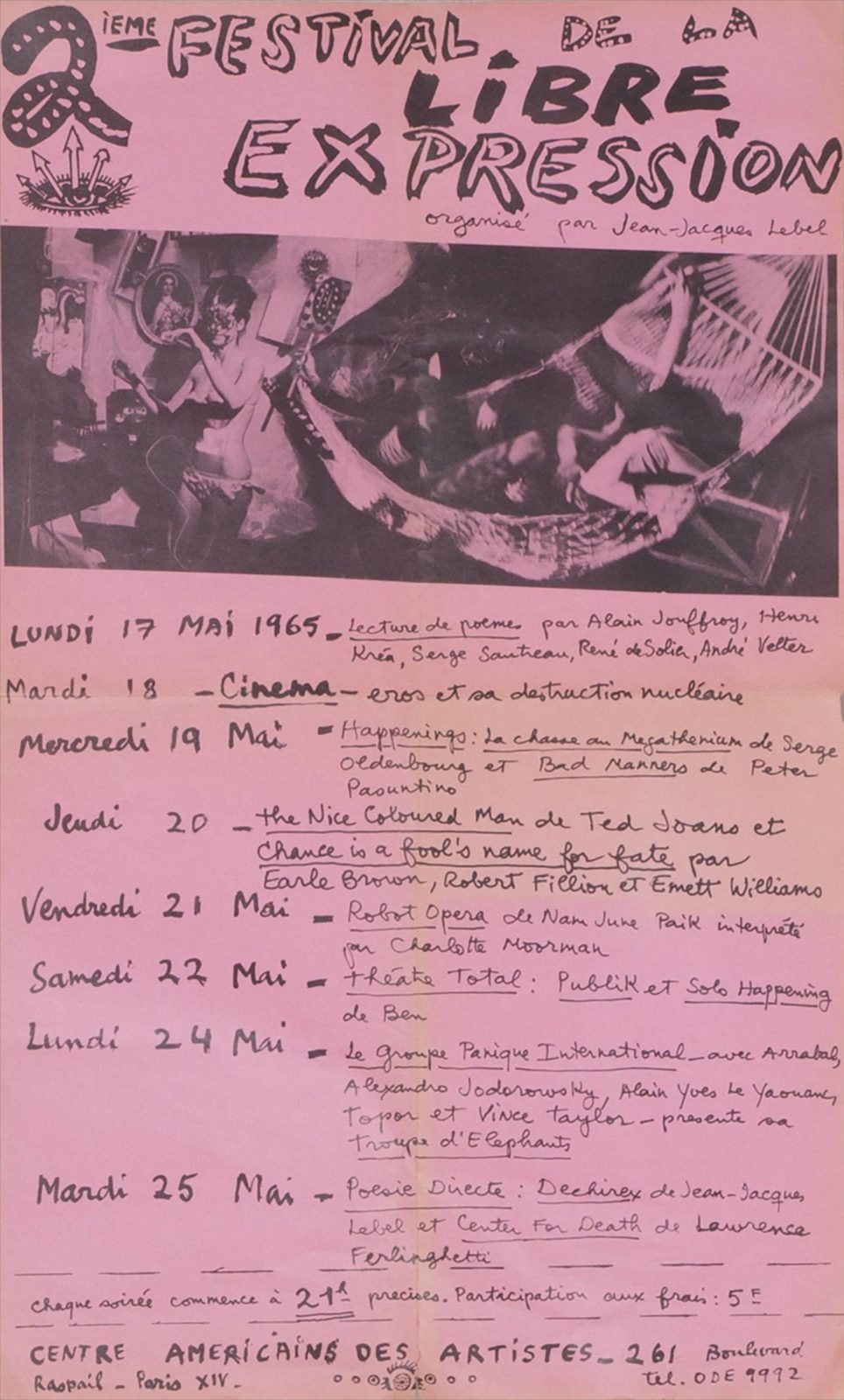
In his studio on Rue Richard-Lallemant, in Rouen, he began the large gouaches that would astonish Patrick Waldberg. In May 1965, in Paris, he took part in Jean-Jacques Lebel’s Festival de la libre expression: under the aegis of Alejandro Jodorowsky, with Topor and Arrabal, he staged the happening of 24 May.
1967–1970
The Maeght years
In 1967 Patrick Waldberg introduced him to Aimé Maeght. The following year he exhibited at the Fondation Maeght (L’Art vivant 1965-1968), then at Knokke-le-Zoute in Trésors du surréalisme, alongside Arp, Bellmer, Brauner, Calder, De Chirico and Duchamp.
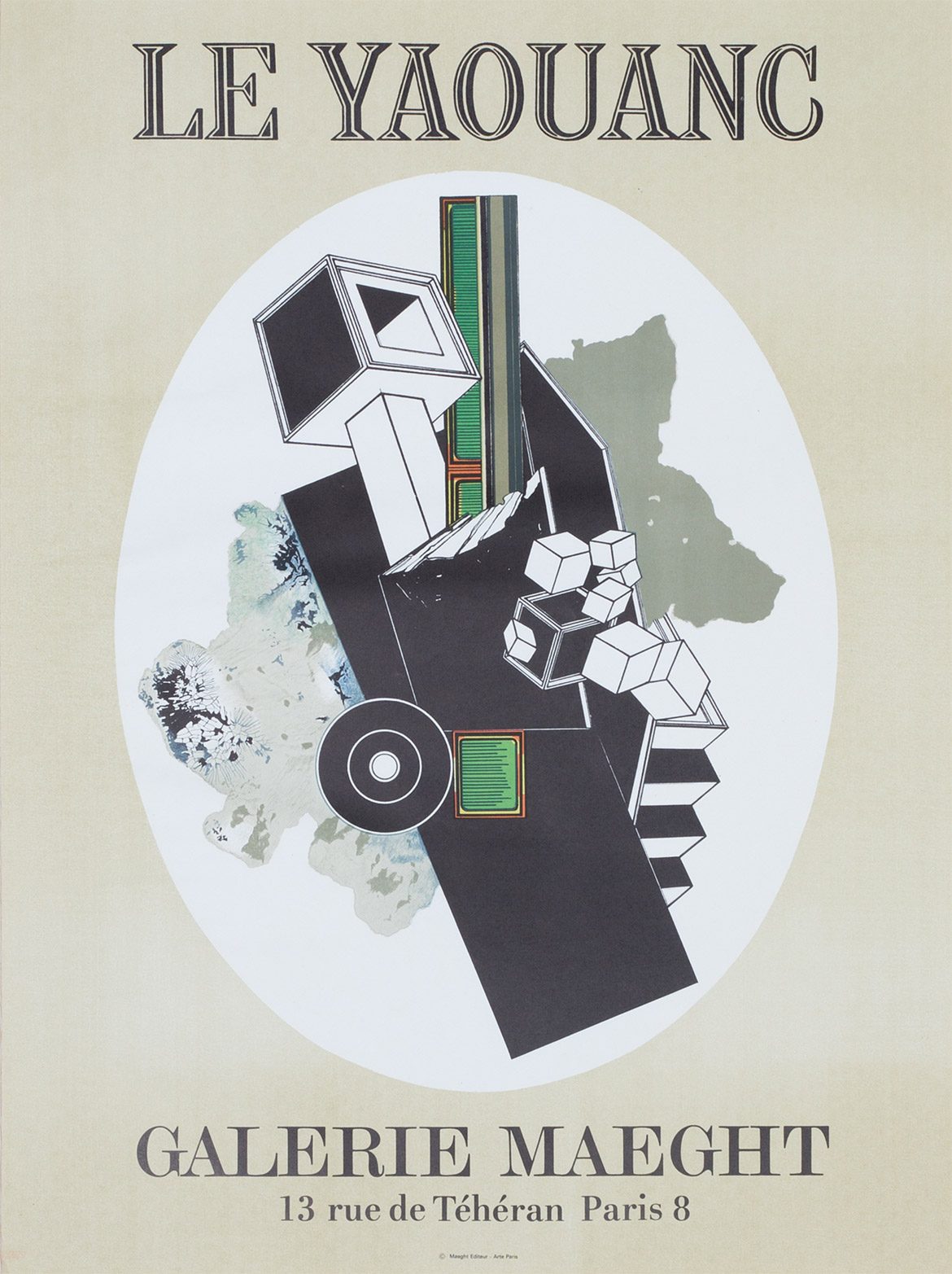
In February 1969 his first exhibition at the Galerie Maeght brought together fifty assemblages, collages, gouaches and objects, and was the occasion for issue 176 of Derrière le Miroir. The second, in December 1970, led to his meeting Louis Aragon.
All exhibitions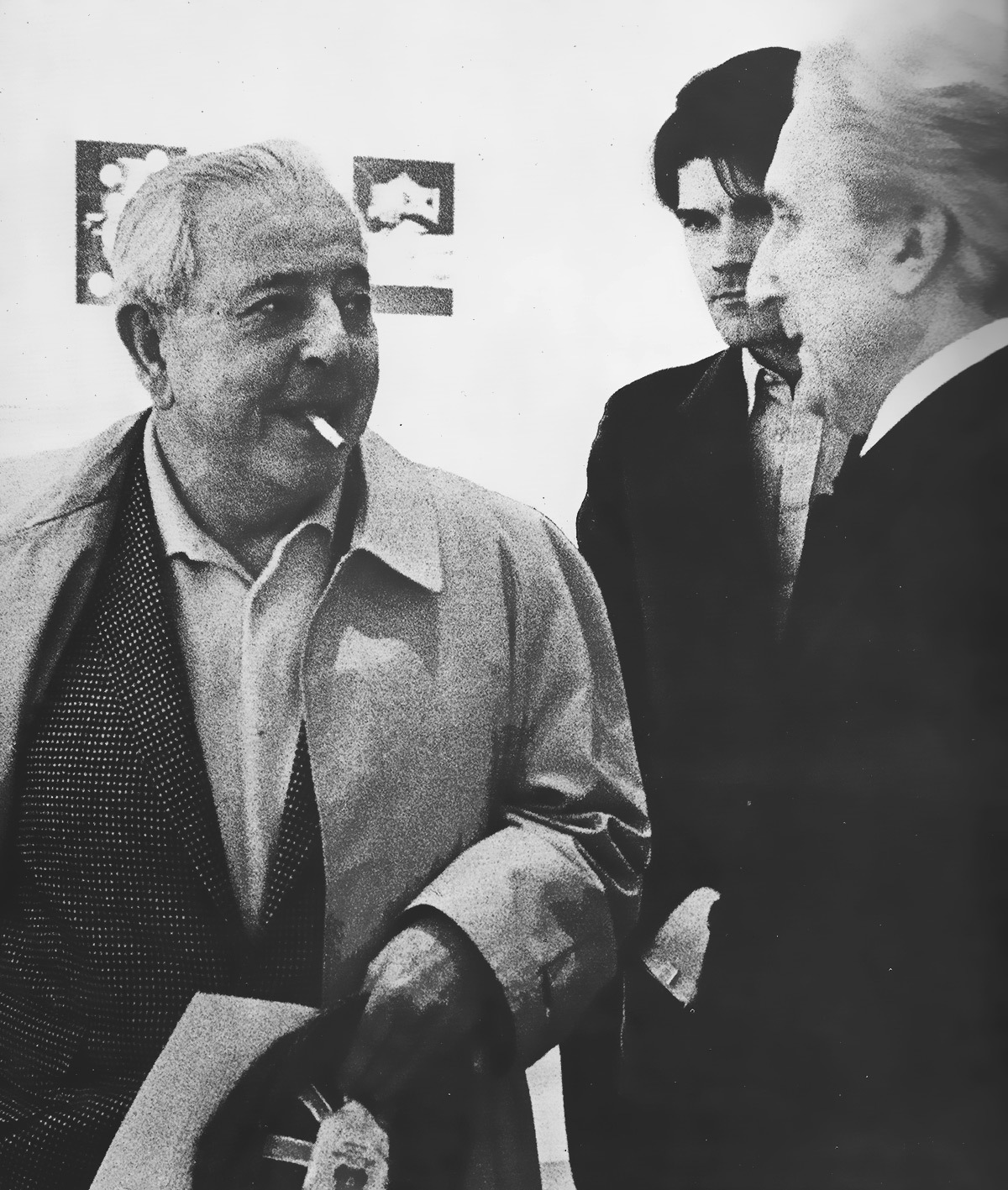
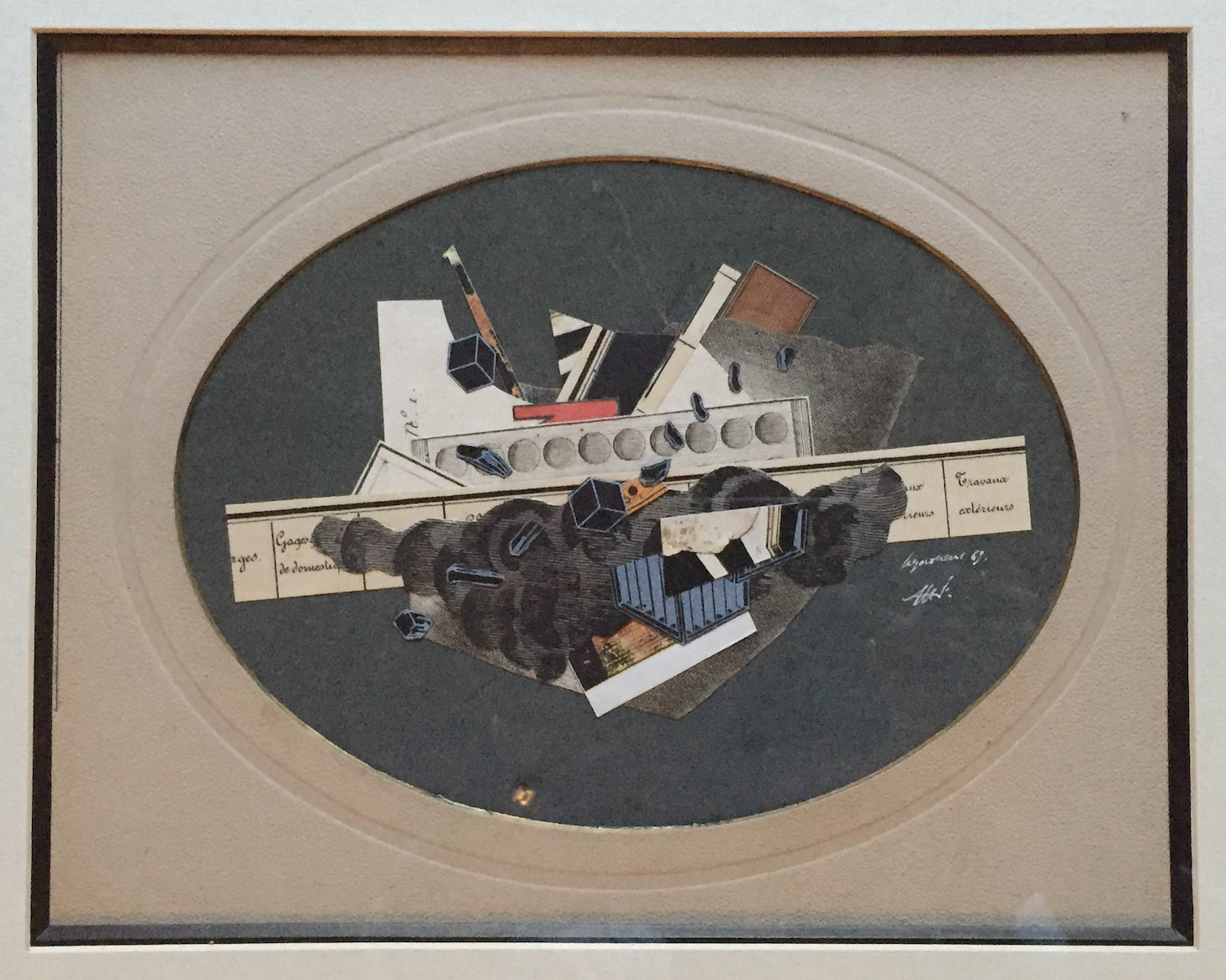
“He has pushed collage, that is to say the use of a ‘figure’ (as one says in grammar), to the very confines of sculpture.”
1971–1976
Aragon, the stage, Europe
Aragon devoted seven texts to Le Yaouanc, among them La Petite Phrase, written in 1972 on a suite of collages, and Pour lire à la loupe, in 1973. That same year Le Yaouanc designed the sets for La Rose malade, a ballet by Roland Petit first performed in Marseille, with costumes by Yves Saint Laurent.
Exhibitions followed one after another, from Brussels to Tehran and from Geneva to Oslo: the first FIAC and Art Basel in 1974, the Royal Saltworks of Arc-et-Senans in 1976.
All exhibitions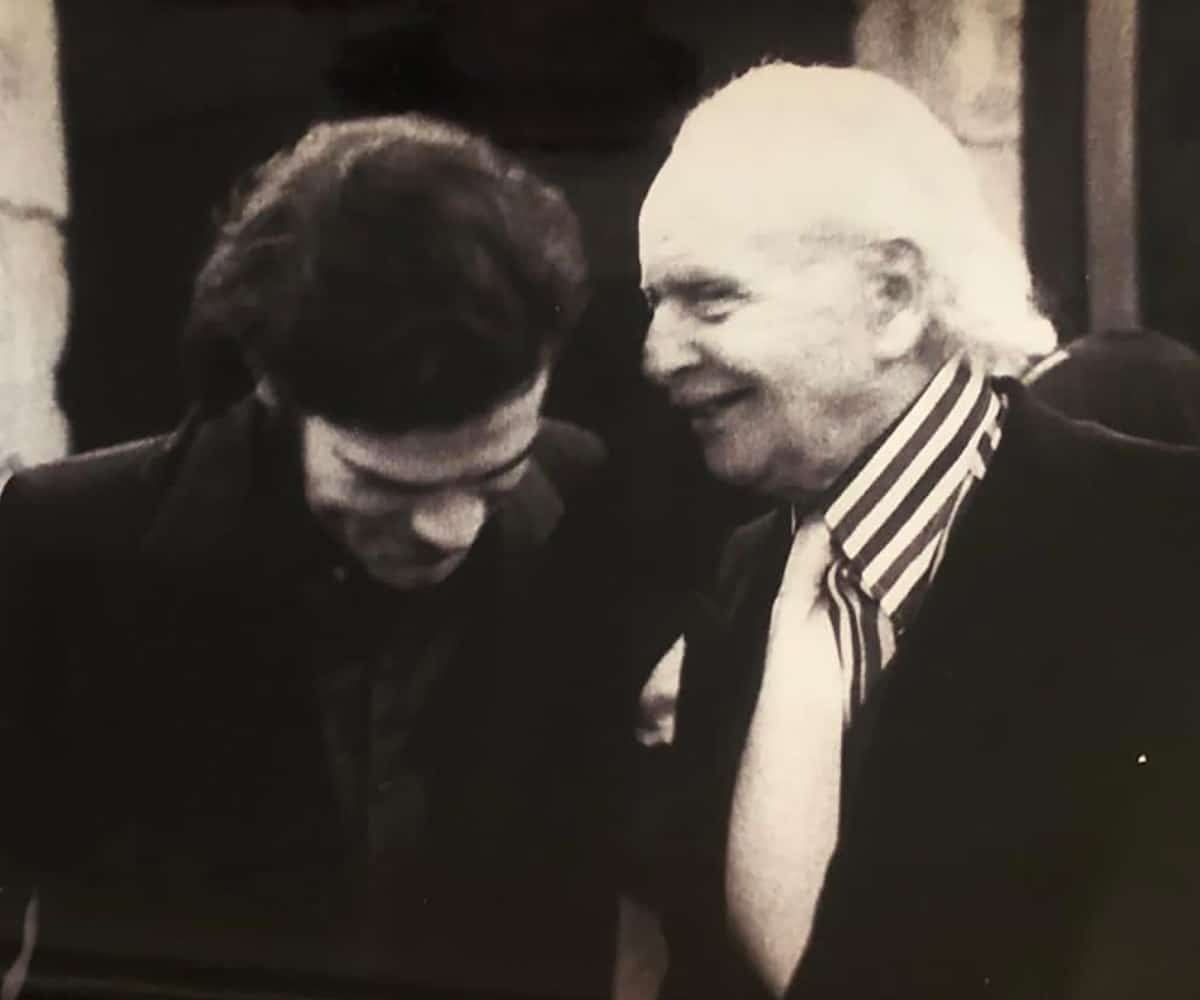
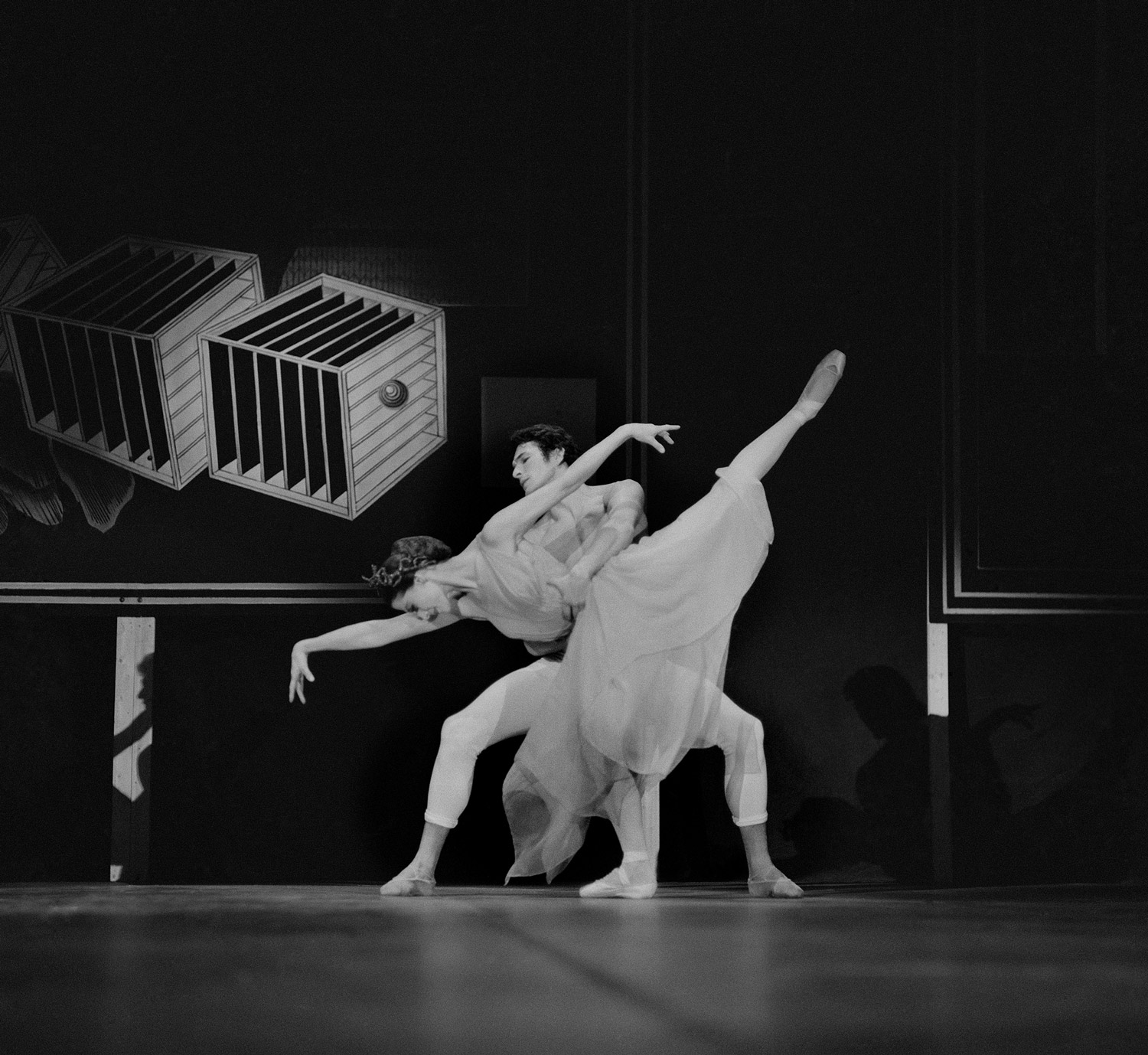
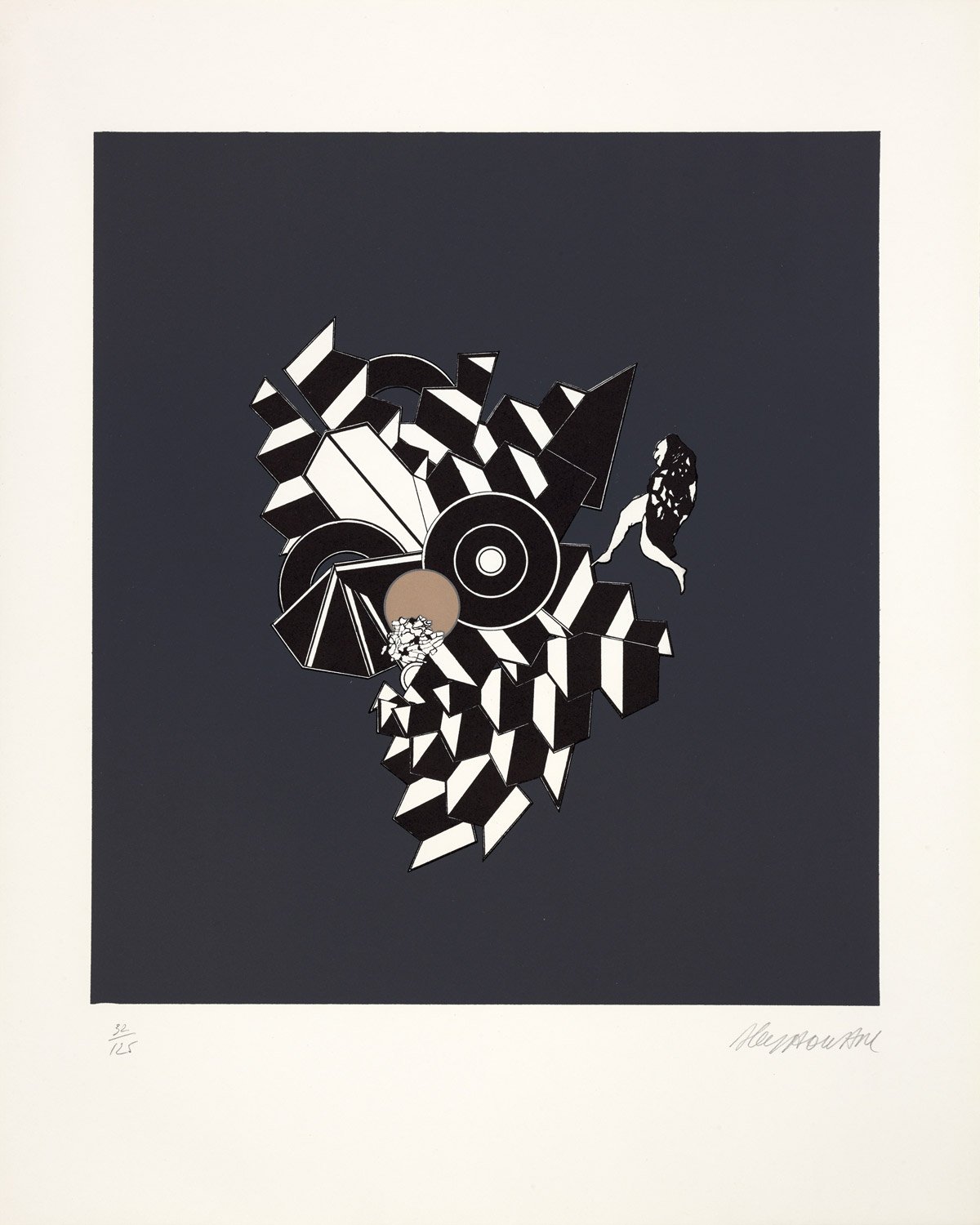
“For a long time I took him for a foreigner. A forgivable mistake, born of the sense of elsewhere that his name conjures up; that was before I knew him.”
1977–1982
Stone and the book
The year 1977 was marked by intense work on lithographic editions: Magnificat, on poems by Guillevic, Le Chemin de ronde ou les mots sans titre, a text by Le Yaouanc with a preface by Aragon, and Stone upon stone, published in New York. The book Le Yaouanc Aragon appeared in 1979.
Guest of honour at the Salon de Rouen in 1981, he showed the following year at the Grand Palais, in Pierre Cardin’s selection, a marble marquetry 4.30 m square.
Catalogue raisonné of the lithographs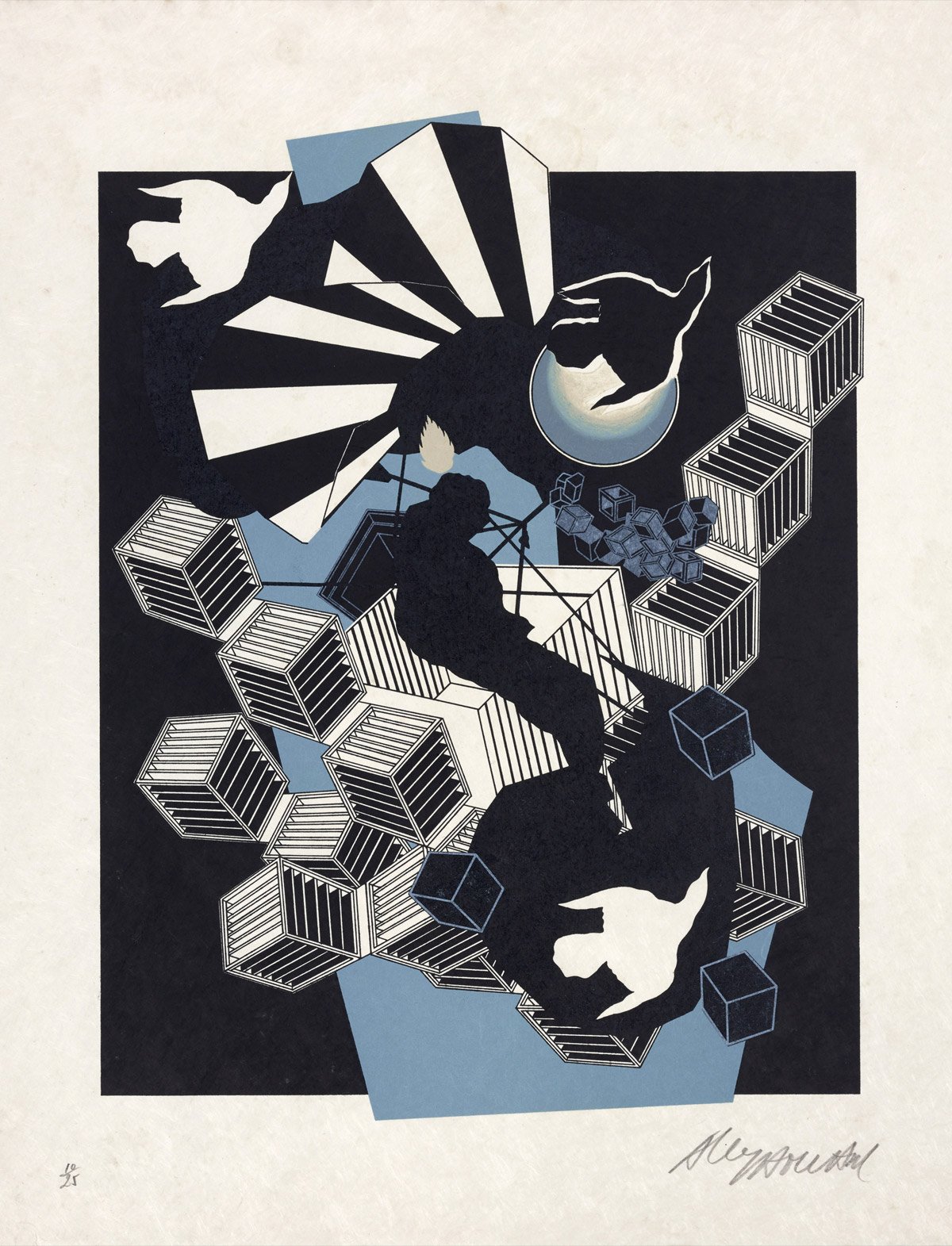
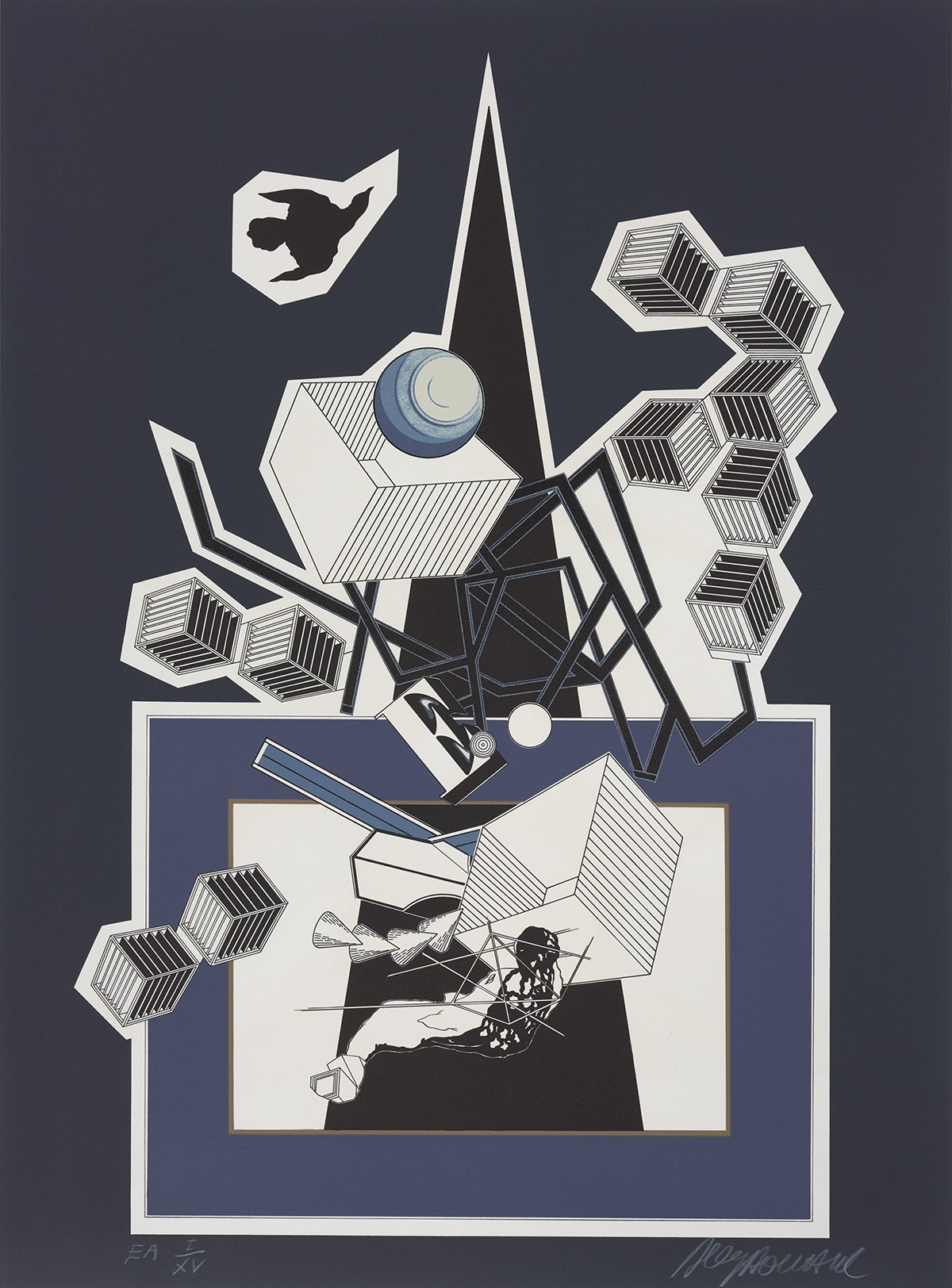
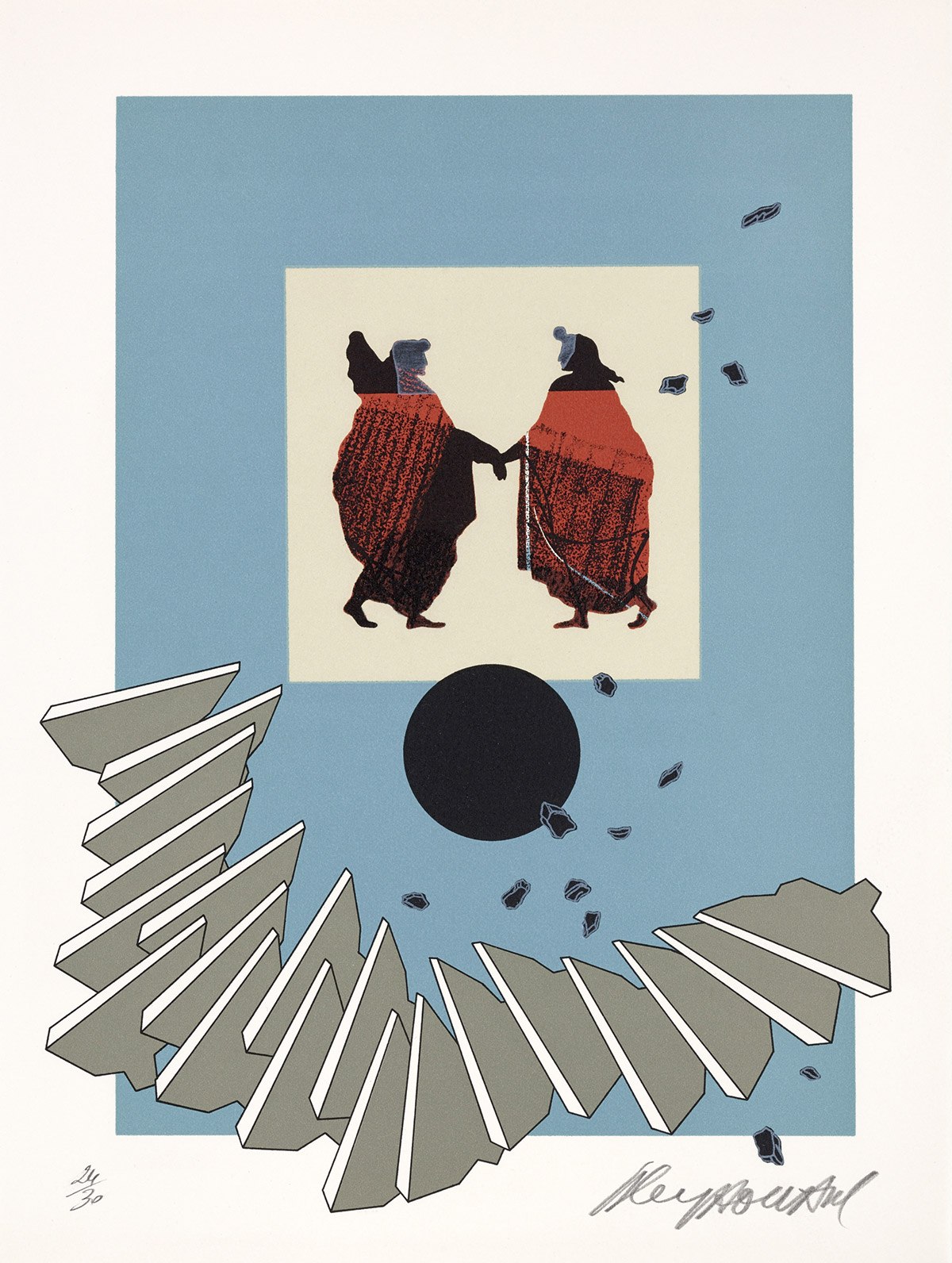
“It is already ten years since Alain Le Yaouanc made his thunderous entrance into painting, which at once won over some and alarmed others.”
1984–1999
Marble and the studio
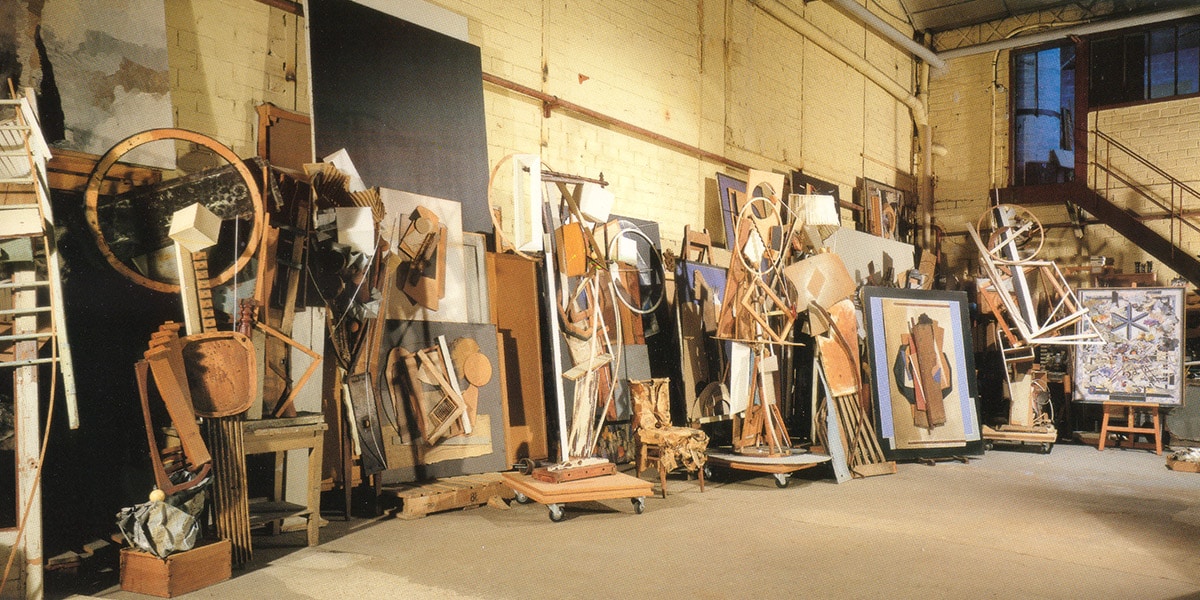
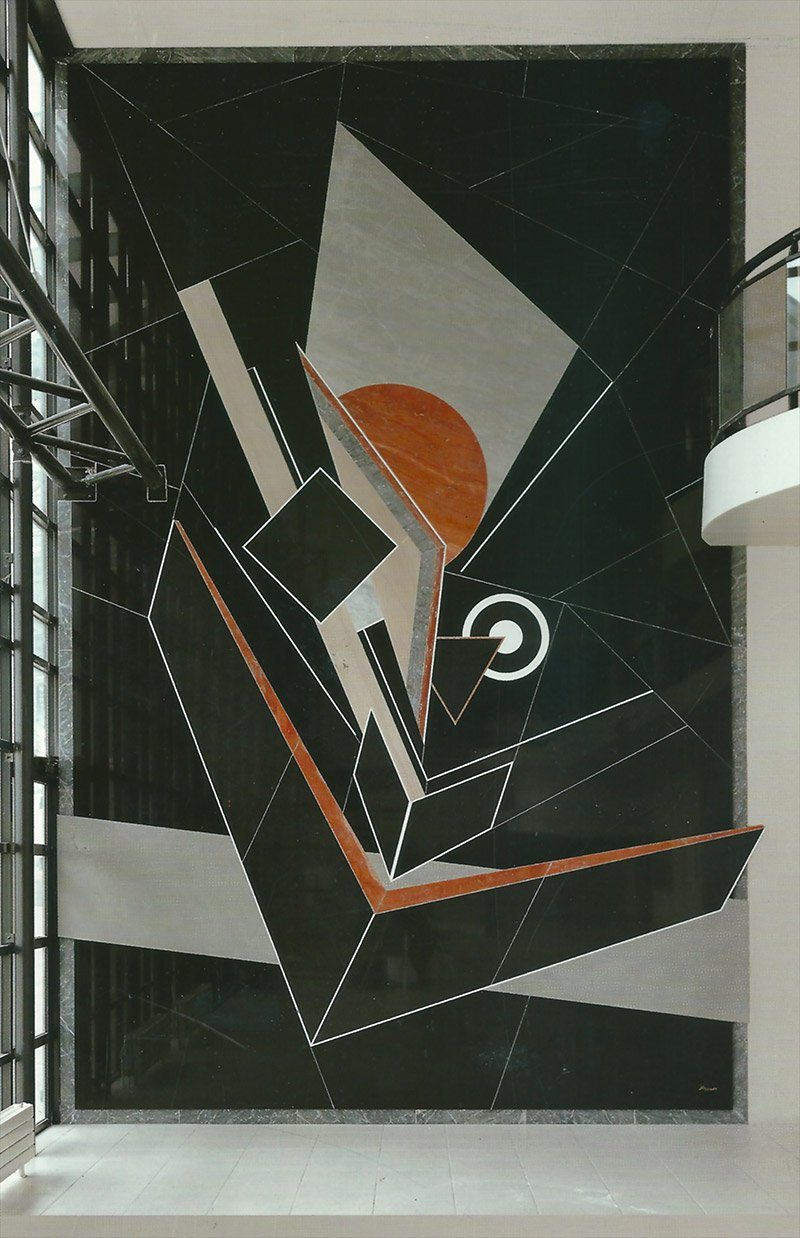
Shown in Dallas in 1984 and 1985, his monumental marble mosaics received the Texas Society of Architects’ award for design excellence. Much in demand among private collectors, he gradually turned away from the galleries and worked in a vast warehouse in the north of Paris, converted into a studio, where he received friends and collectors.
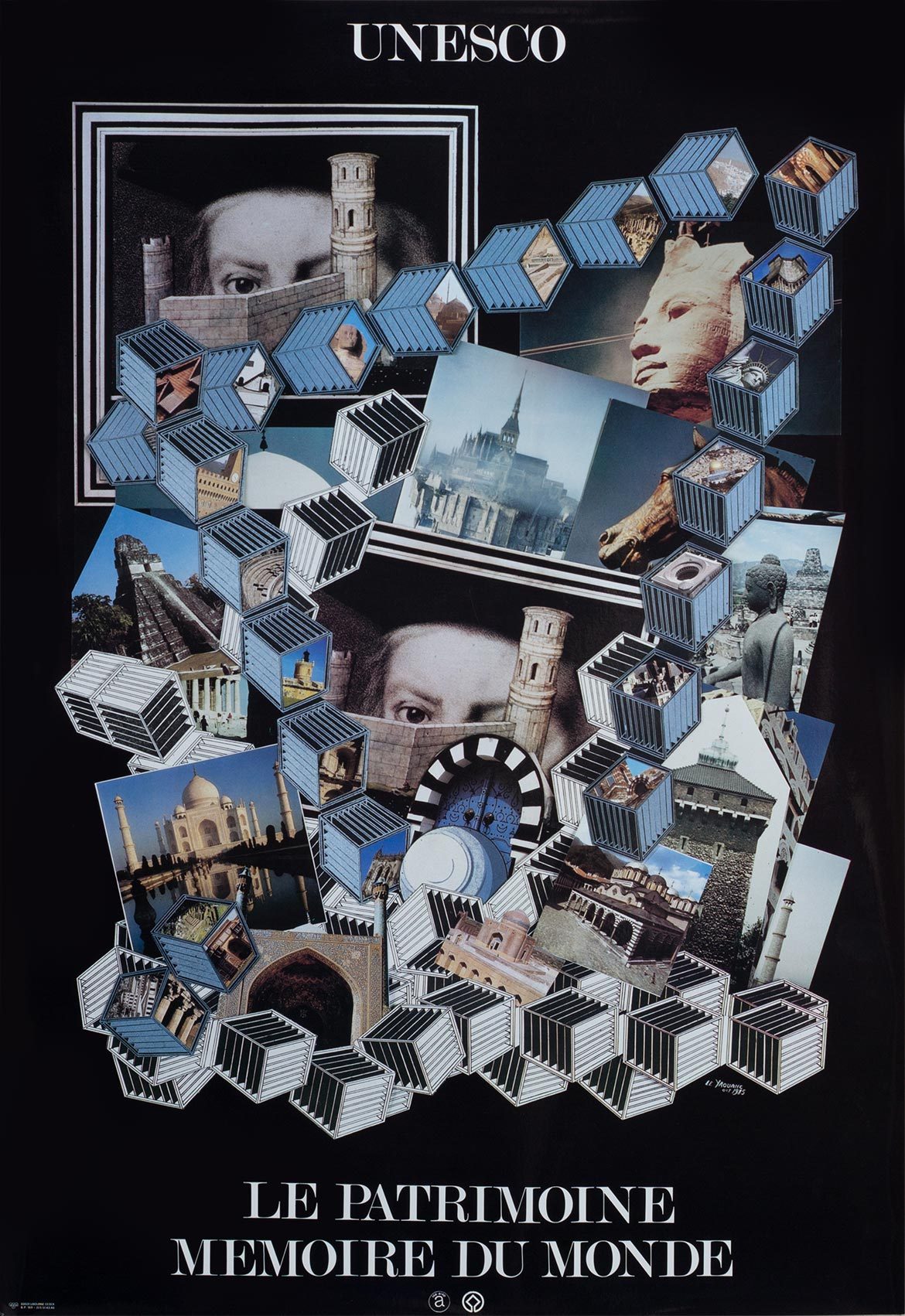
There followed posters for UNESCO and IRCAM, the inaugural exhibition of the Fondation Elsa Triolet-Louis Aragon in 1994 and, in 1998, a mosaic for the University of Poitiers. In 1999 Alain Le Yaouanc was in debt: part of his work was seized, then destroyed or dispersed at court-ordered sales.
2000–2001
Lebanon
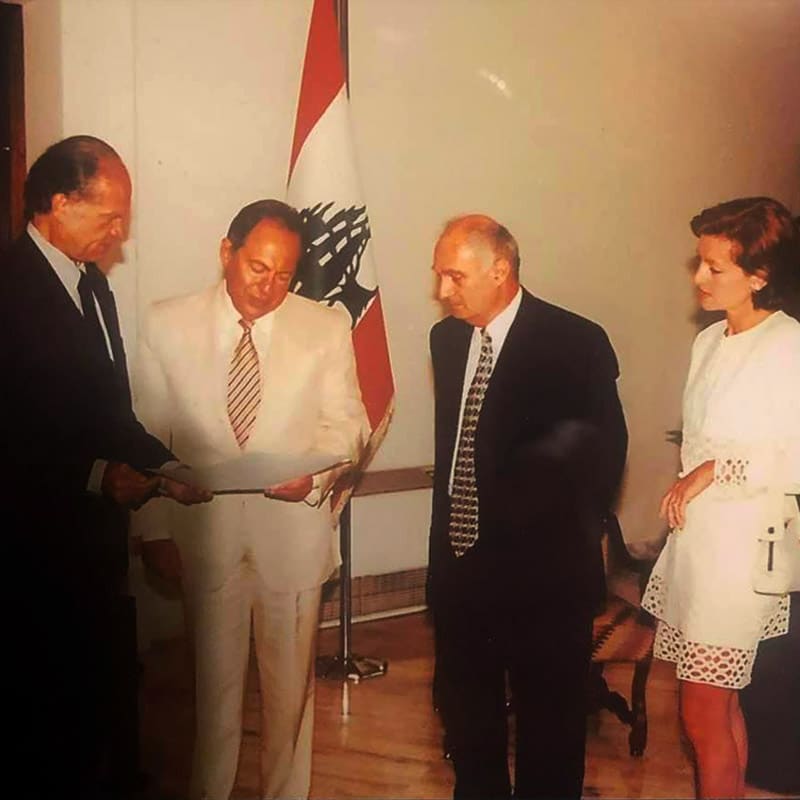
Le Yaouanc stayed in Lebanon on many occasions and exhibited at the Sursock Museum in Beirut. A monumental work in marble, Unité (4.20 m × 4.20 m), was inaugurated at Baabda Palace on 20 November 2000 by President Émile Lahoud, from whose hands he received the Lebanese Order of Merit.
On the occasion of the Francophonie Summit, Aragon’s La Petite Phrase, unpublished since 1972, was brought out in Beirut by the Banque de la Méditerranée.
2002–present
Daily practice
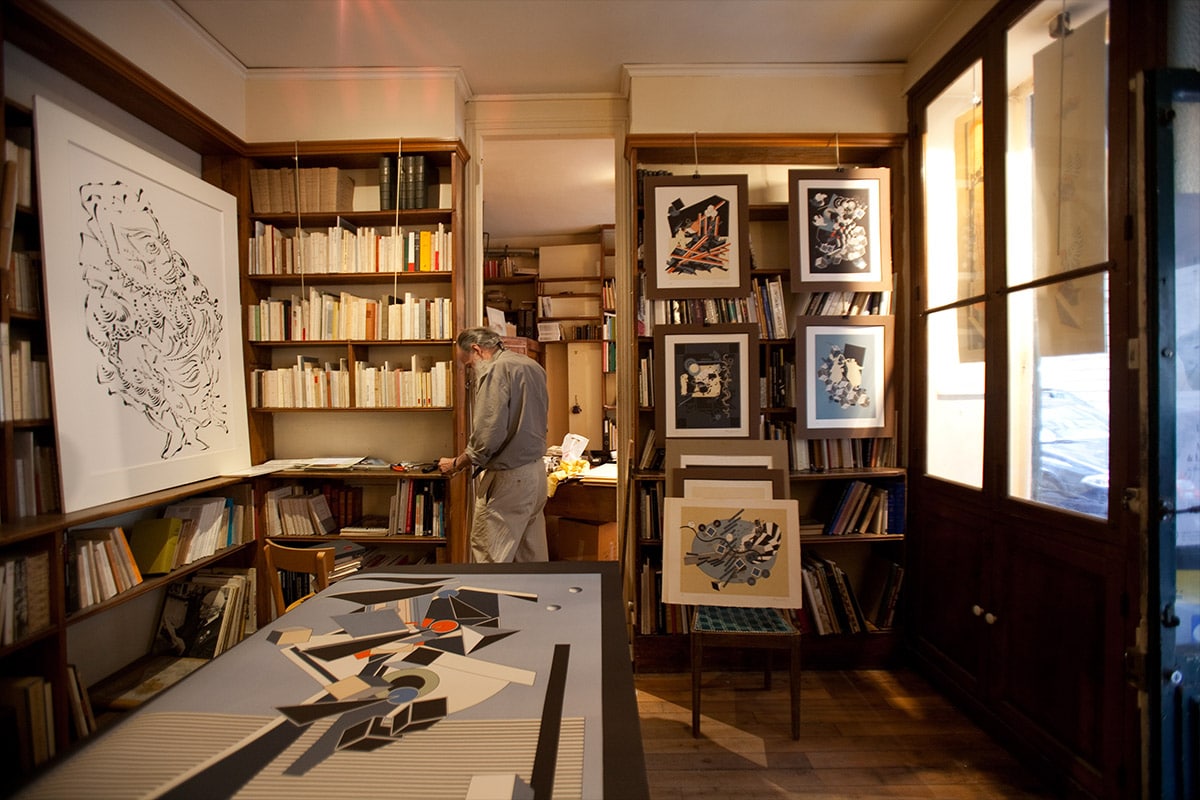
Le Yaouanc has carried on working, holding himself to a daily discipline of drawing, collage and gouache. In 2010 two collages from Aragon’s personal collection were included in the exhibition Aragon et l’art moderne, and he exhibited on Rue du Cherche-Midi, in the former premises of Au Sans Pareil, the Surrealists’ publishing house.
In 2012 he designed a mosaic mural for Gérard Depardieu’s Paris home; in 2016 nine gouaches were shown at the Marrakech Biennale.
“We are in the presence of a painted enchantment without equal today.”